The appeal of a more distant horizon is easy to understand. Choosing a vessel for that ambition is a more practical exercise. A marketing label alone does not establish a yacht's suitability for a route, operating environment or expedition.
Translate the journey into questions for the captain and appropriate technical specialists. What passages are intended? What crew experience, communications, provisioning and service arrangements are appropriate? Which vessel documents, class or flag requirements and equipment specifications need to be verified for that particular plan? The answers depend on the vessel and destination.
Treat performance figures in brochures as claims to be checked in context. Ask about the conditions, configuration and source behind stated range or speed rather than comparing headline numbers without their assumptions. Do not infer redundancy or remote-operating capability from an exterior photograph.
The destinations themselves are part of the brief. Access, permissions, infrastructure and the ability to change plans should be assessed using current authoritative information and qualified operational advice. An editorial guide is inspiration, not a passage plan.
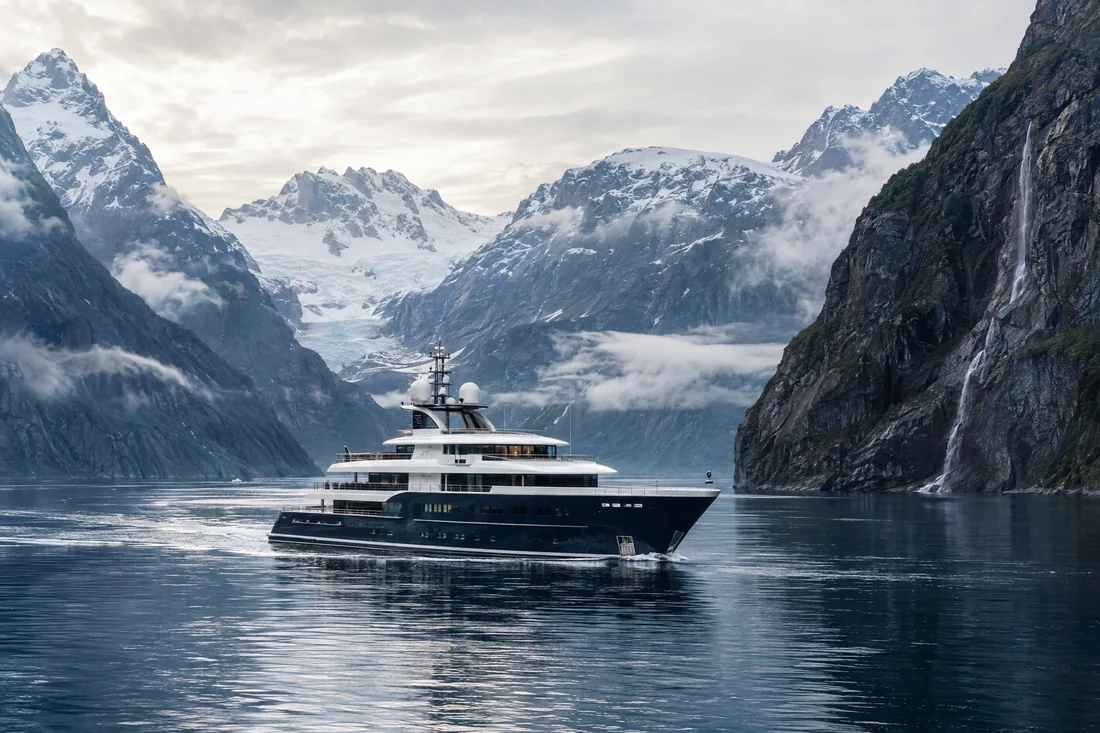
The generated yacht image is a concept, not an offered vessel or evidence of its capabilities. This original guide makes no model-specific performance or safety claims.
Why it matters
A memorable journey begins with a realistic brief and properly verified operating capability.
Image: generated conceptual illustration, not actual vessel or facility photography. General editorial, not professional advice.
Back to the Perspectives